Work · Proof
UNIDO · Women's Empowerment / PWE
UNIDO came back a second time, for a year of research and digital strategy in its women's empowerment programme.
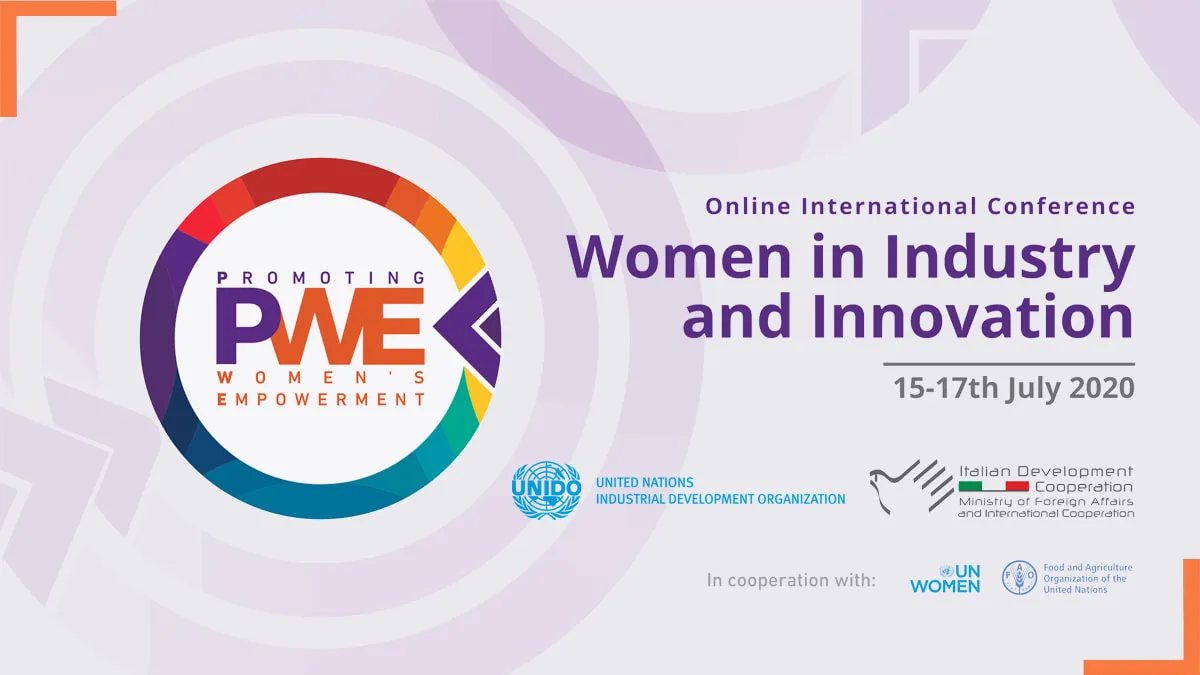
Nizzar Ben Chekroune served as research and digital strategy expert in UNIDO's women's empowerment programme (PWE) from October 2020 to October 2021. It was his second UNIDO engagement, after his 2015 to 2019 mission as Cluster Development Agent in Marrakech for the Creative Mediterranean programme.
- Relationship
- Expert
- Role
- Research and digital strategy
- Period
- October 2020 – October 2021
- Where
- International
- With
- UNIDO
- Attribution
- UNIDO institutional mandate
The same institution, a second time
From 2015 to 2019 I worked for UNIDO in Marrakech as Cluster Development Agent in the Creative Mediterranean programme. In October 2020 UNIDO engaged me again, this time as research and digital strategy expert in its women's empowerment programme, for a year.
An institution that comes back after a multi-year mission has already seen the work up close: the reporting, the fieldwork, what held and what did not. A second mandate is the most direct form of evaluation an institution gives.
Getting the attribution right
Earlier versions of my portfolio filed this work under a different label. The programme is UNIDO's, and this record attributes it to UNIDO. I keep the historical label in my archive and the institutional attribution in public, because a career record that blurs who commissioned what is not worth reading.
The distinction matters most to the people who would check it. Someone reading an institutional career record wants to know which agency commissioned the work, under which programme and for how long. Here the answers are UNIDO, its women's empowerment programme, and one year.
Research before strategy
The role paired research with digital strategy, and the order matters. In a programme about women's economic empowerment, a digital strategy written before the research is a strategy about the institution, not about the women the programme serves.
My method does not change with the subject. First what the programme actually is and why it exists. Then who its value is for, what they need, what they already use and what they distrust. Only then the channels, the messages and the sequence. The research is what makes the strategy specific enough to act on. Without that order, a digital strategy turns into a calendar of posts about meetings.
October 2020 to October 2021
The year ran through the pandemic, when institutional programmes that had relied on meetings, fairs and field visits had to move their presence online. The same year I worked as digital marketing expert for NEPAD's Infrastructure Project Preparation Facility and produced the OIF series of interviews with 66 entrepreneurs across 48 Francophone countries. Several institutions trusted me with the same question within a few months: how to stay present and coherent when the physical channels closed.
What I take forward
Institutions come back to people whose work they have watched closely. A second UNIDO mandate, on a different programme, is evidence that the first one held.
Sources
Related work
- UNIDO · Creative MediterraneanAs UNIDO's Cluster Development Agent in Marrakech, I helped disconnected creative interiors companies work, sell and exhibit as one cluster.
- NEPAD · Infrastructure Project Preparation FacilityDigital marketing expert
- IOM · COMPASSDigital strategy and online brand articulation; branding, social media strategy and content templates for COMPASS
- OIF · Solidarité COVIDSpecial project manager: community management, and creator, interviewer, writer, director and editor of the interview series